Trickster vs Martyr
a tale as old as time
Trickster vs Martyr has been a favorite dynamic of mine since the age of 7, when I saw a depiction of a weather-beaten Jesus being tempted by a lady Satan in the desert, vivid red scarf dangling seductively from her hand. It’s a pairing many of us love in stories, but never quite know how to name. The archetype occasionally falls under “enemies-to-lovers”, “reluctant allies”, or “opposites attract” — but I find even those are a bit too limiting for the rich, intoxicating, playful dynamic that leads to some of the most powerful and long-lasting stories ever told.
Let’s start with some examples.
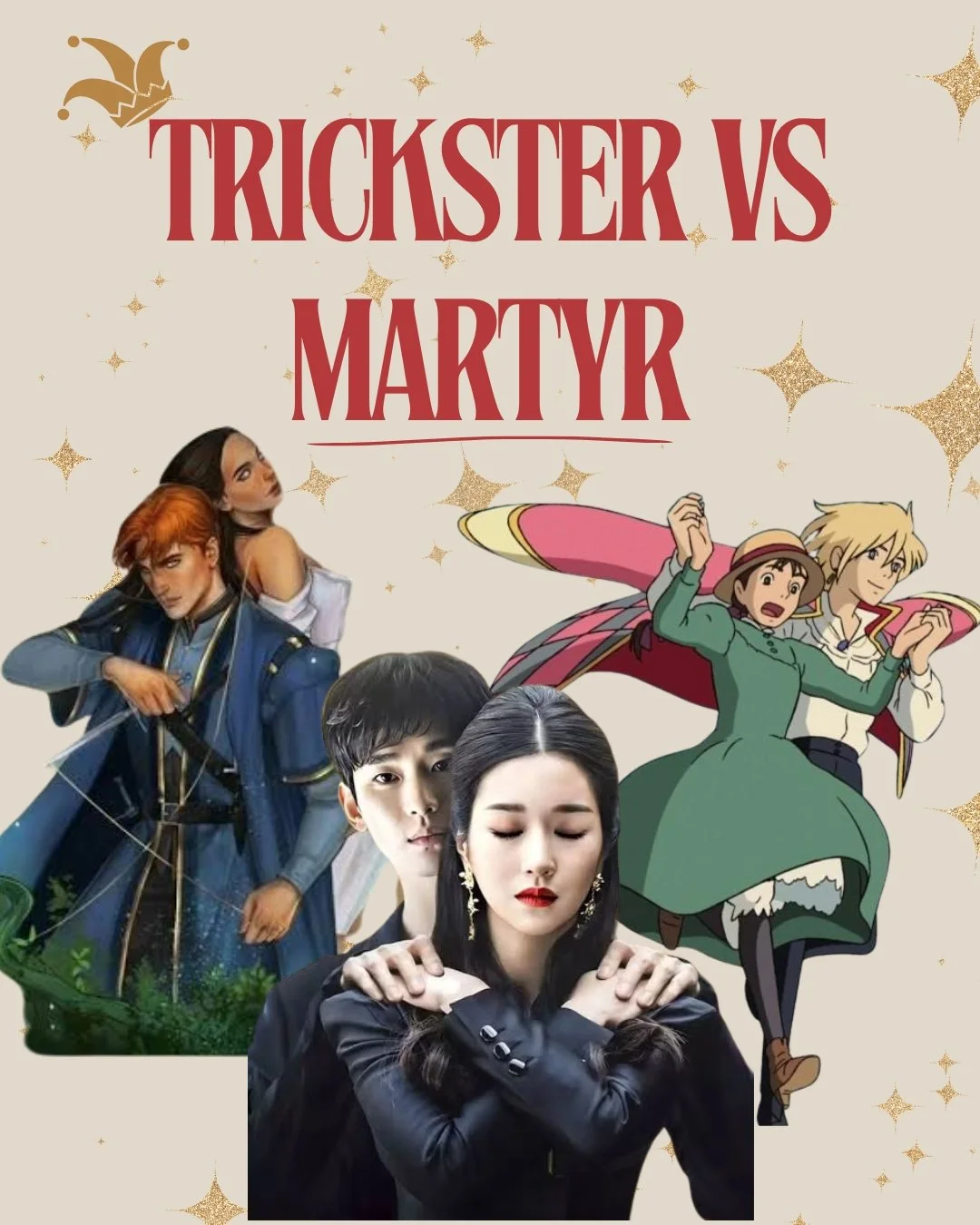
trickster vs martyr in popular media
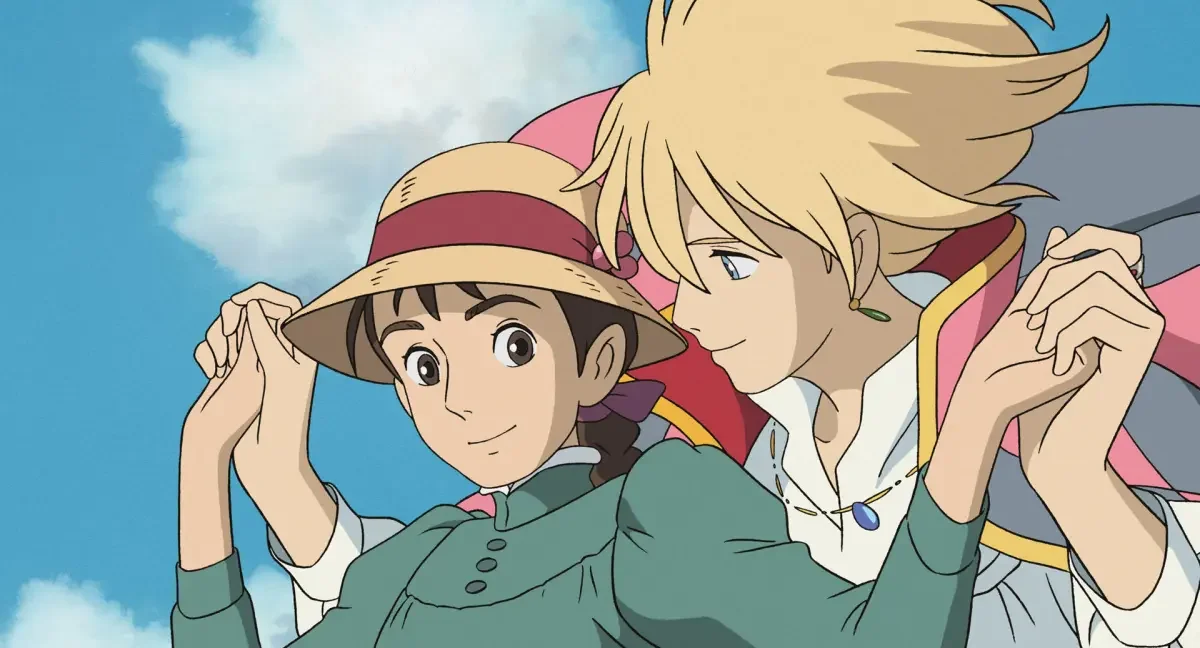
Howl x Sophie from Howl’s Moving Castle
Han Solo x Princess Leia from Star Wars
Lou x Reid from Serpent & Dove
Go Moon-young x Moon Gang-tae from It’s Okay to Not Be Okay
Gideon x Harrow from Gideon the Ninth
Stack x Smoke from Sinners (*not romantic, but the dynamic remains)
Sebastian x Evangeline from Devil in Winter
Alex x Henry from Red White & Royal Blue
Of the above, you’ll notice a pattern: one character is often bound by duty while the other flees from it the moment they catch wind. One has a strong moral compass; the other bends the rules. One provides the emotional core, and their counterpart evades it with a wink or a quip.
These characters are almost always set at odds with each other—and yet it is that conflict that gives way to some of the most interesting character choices, emotional beats, and plot-rattling moments we have the privilege to read or see.
So what is trickster vs martyr, exactly?
defining our terms
One of the first, concise explanations of this dynamic I saw came from Elizabeth Gilbert’s Big Magic—though her definition has more to do with internal energies inside a person than a creative, literary archetype. She lays out a rather rigid understanding of the two, and isn’t shy about her preference for the trickster—but I see it a bit differently.
Without the martyr, a trickster may lean into destructive tendencies, gobbling up the whole world in its desire to explore, taste, and experience all. It revels in unbridled chaos, prone to whims and violence without learning internal regulation, or when something may hold just as much value left alone.
Without the trickster, a martyr may become rigid, self-destructive in their quest to fulfill a duty that may not even be theirs to take on. They are prone to being tricked more easily by violent systems, with a tendency to self-flagellate whenever things go wrong. These characters can lean myopic and morose, missing the forest for the trees when it counts most.
But when the trickster and martyr work in tandem, foils to one another, we see some of the most remarkable stories unfold. Like order vs chaos or light vs dark, the trickster and martyr cannot exist without the other—not only because the balance between them is essential, but because like the Lovers card in tarot, duality is where these creatures most shine.
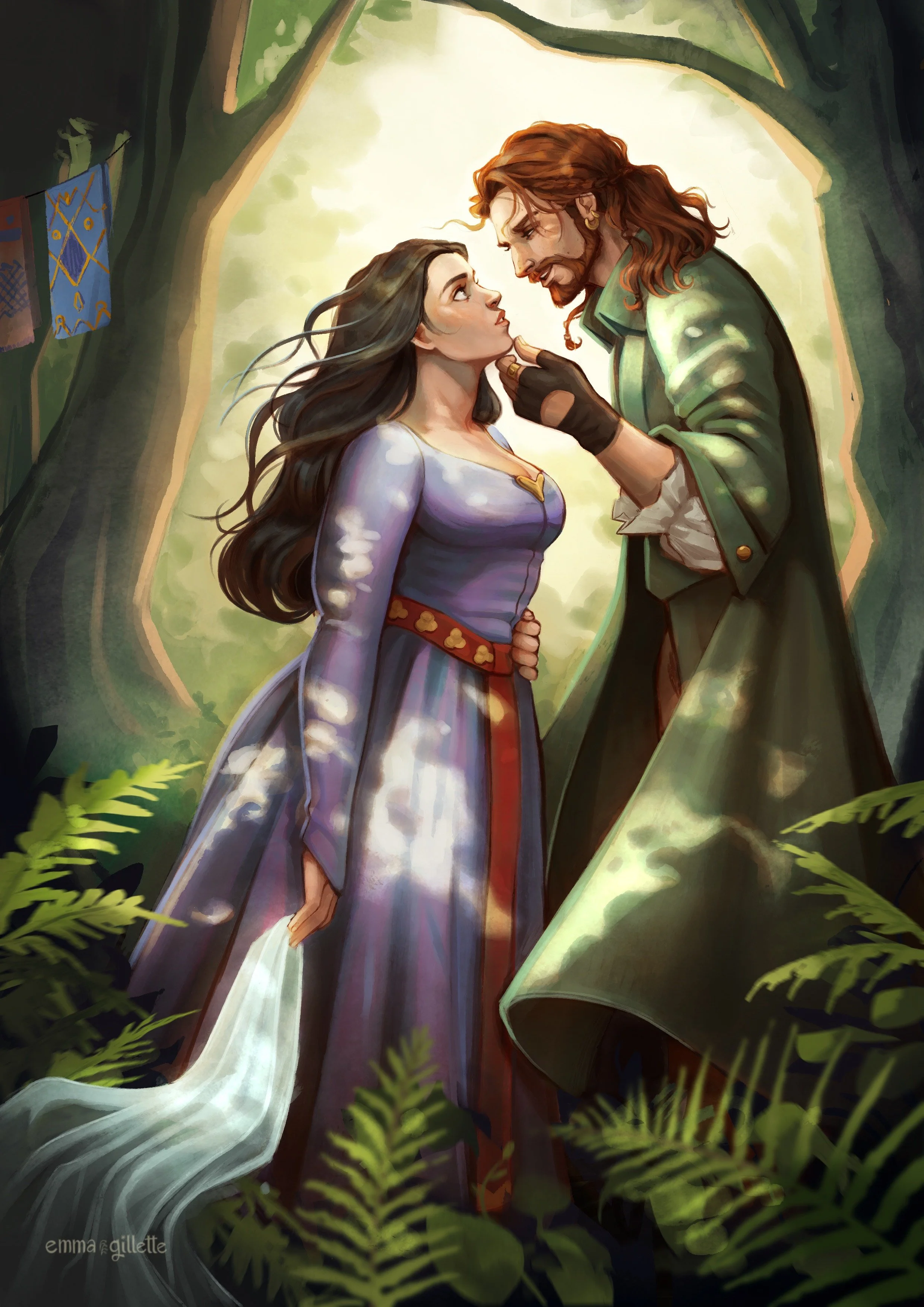
the magpie & the wolf
Faolan, like Howl, is clever and charismatic, walking through the world with ease in part due to the power he’s cultivated via a larger-than-life persona (The Wolf of the Wild), and in part to his willingness to bend and evade the rules. He is also, like Howl, selfish, petty, and careless at times, even with people who care for him the most.
Saoirse, by contrast, follows the path of Sophie—bearing her duty and suffering like a cross, head bowed, mouth shut. She sees herself as nothing special and denies herself power to do what she perceives as “right.” But like Sophie, she yearns for something greater, to be someone greater, though on her own she’d never reach out.
On their own, their stories would be tales of destruction. Saoirse, without a catalyst, would shrink deeper and deeper into herself over time until there was very little left, and Faolan without her purpose, would burn himself out in a blink of time.
But together, their story evolves into something extraordinary, every clash of personality leaving traces of one another behind so that over time, Saoirse gives Faolan grounding, resonance, and a soft place to land while Faolan gives Saoirse room to breathe and learn how to bite.
By the end of the book, we see the results of this particular archetype’s collision: deep internal character growth and the ability to exist as fully-realized individuals even as the dynamic continues to live on.